
Table of Contents
Personalized mugs, engraved wooden gifts, printed T-shirts and custom phone stands can all be produced at home with the right equipment. However, different machines serve very different purposes, and buying the wrong one can become an expensive mistake.
Some machines decorate existing products, while others cut materials or create entirely new objects. The right choice depends on what you want to make, the materials involved and the space available in your home.
Here are eight types of machines worth considering, with examples of what each can produce and the limitations you should know before buying.
1. Laser Engraving Machine for Personalized Gifts and Decorations
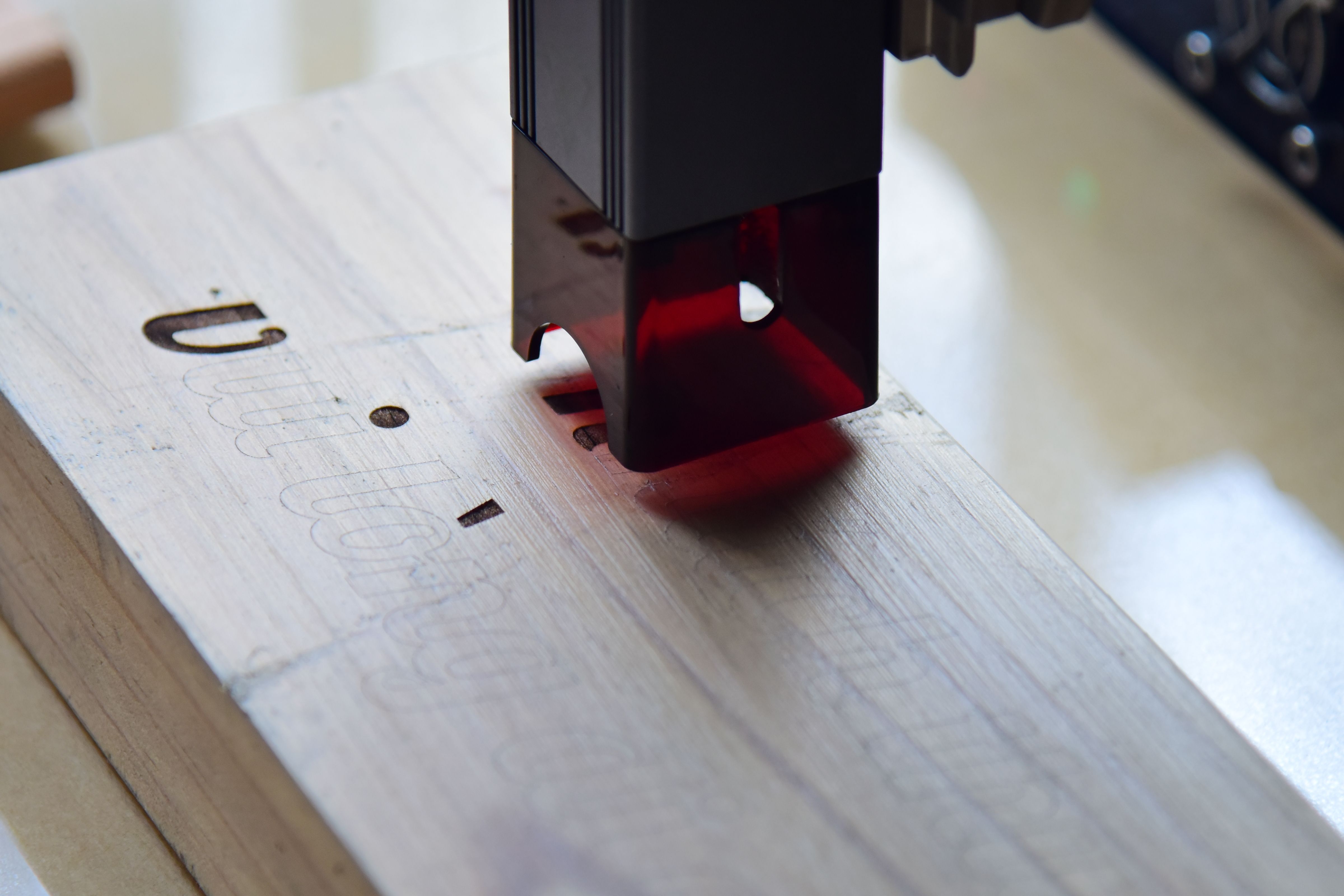
Laser engraving machines use a concentrated beam of light to mark or remove material. They can create detailed lettering, logos, photographs and decorative patterns on compatible surfaces.
Popular products include engraved wooden signs, personalized cutting boards, keychains, leather accessories, coasters and custom nameplates. Some laser machines can also cut materials into specific shapes.
Different laser engraving machines support different materials and processes. CO2 lasers are commonly used for wood, acrylic and other suitable nonmetal materials, while fiber lasers are particularly useful for marking metals. Diode lasers are another option for certain wood, leather and coated surfaces.
Material compatibility is essential. A machine designed for engraving wooden items may not be suitable for engraving bare metal.
Laser equipment also needs proper ventilation, fire precautions and suitable protective enclosures. Some materials, including PVC, must never be laser processed because they can release dangerous fumes. OSHA’s laser safety guidance discusses ventilation and other potential hazards to account for when operating laser equipment.
2. Vinyl Cutting Machine for Stickers, Labels and Decals
A vinyl cutter uses a small blade to cut shapes and lettering from thin sheets of material. It is particularly useful for custom stickers, wall decals, car decorations and labels.
For example, someone making personalized storage labels can prepare the text on a computer, send the design to the cutter and remove the unwanted material around each letter.
Suitable machines can also cut heat transfer vinyl for clothing designs. However, a vinyl cutter does not print full-color graphics by itself. Printed stickers require a separate printer and compatible cutting workflow.
Compact cutting machines are useful for beginners because they occupy relatively little space and work with inexpensive materials.
3. Heat Press Machine for Custom T-Shirts and Tote Bags
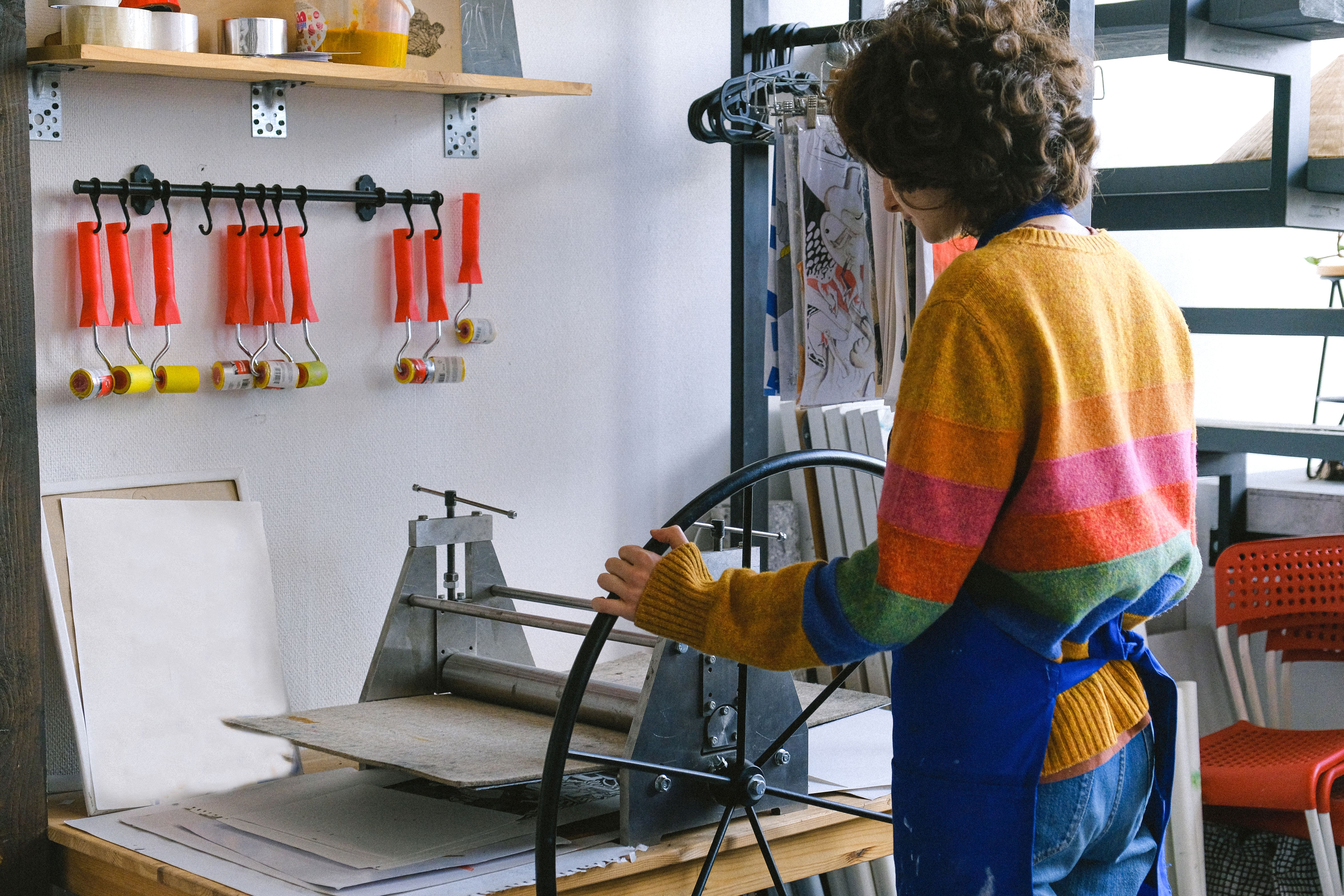
A heat press transfers designs onto suitable products using controlled heat and pressure.
For clothing, it can apply heat transfer vinyl, suitable printed transfers and other decorations designed for heat application.
Possible products include personalized T-shirts, hoodies, tote bags, uniforms and fabric accessories. Specialized presses can also accommodate caps and mugs.
A heat press works alongside other equipment. You might use a vinyl cutter to prepare a name or design, then apply it to fabric using the appropriate temperature and pressure.
Before purchasing, check the working area and temperature controls. Larger designs need sufficient space, while different transfer materials have specific application requirements.
Remember that a heat press does not create artwork or print images independently.
4. Sublimation Printer for Colorful Mugs and Photo Gifts
Sublimation printing is useful when you want to reproduce colorful artwork or photographs on compatible products.
The process uses specialized ink and transfer paper. Heat converts the ink into gas, allowing the color to bond with suitable materials.
Common products include personalized mugs, ornaments, polyester shirts, mouse pads and decorative drinkware.
Sublimation requires compatible blanks. Ordinary ceramic mugs must have an appropriate coating, and standard sublimation printing works best on polyester or specially prepared surfaces.
You will also need a suitable heat press. Flat presses work for clothing and flat products, while mugs require equipment designed for their shape.
The main advantage is the ability to reproduce detailed color designs without cutting each individual shape.
5. 3D Printer for Custom Objects and Small Components
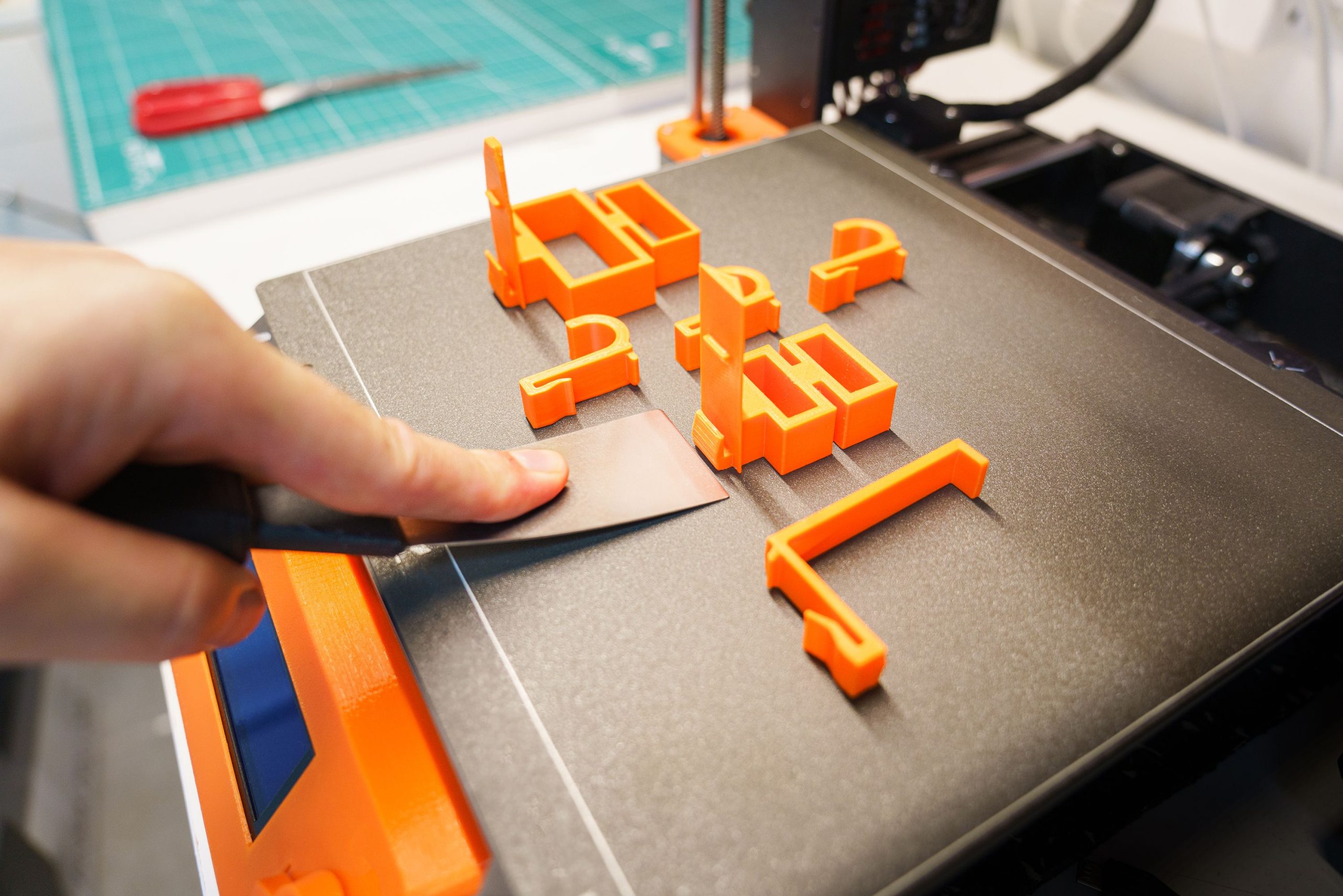
A 3D printer creates physical objects from digital designs by building material in successive layers. The U.S. Department of Energy’s overview of how 3D printers work explains this layer-by-layer process.
Unlike machines that decorate existing products, it can produce an entirely new object. Examples include phone stands, drawer organizers, figurines, custom hooks and small replacement components.
Filament printers use heated plastic to form objects. Resin printers use light to harden liquid material and can produce fine details, although they require more careful handling and additional finishing steps.
Creating original products involves learning how to prepare digital models, select materials and adjust printing settings.
Production can also take considerable time. Larger objects may require several hours, and unsuccessful prints waste material.
Material properties matter when producing functional components. Some printed plastics can deform under heat or break under repeated pressure.
6. Embroidery Machine for Personalized Fabric Products
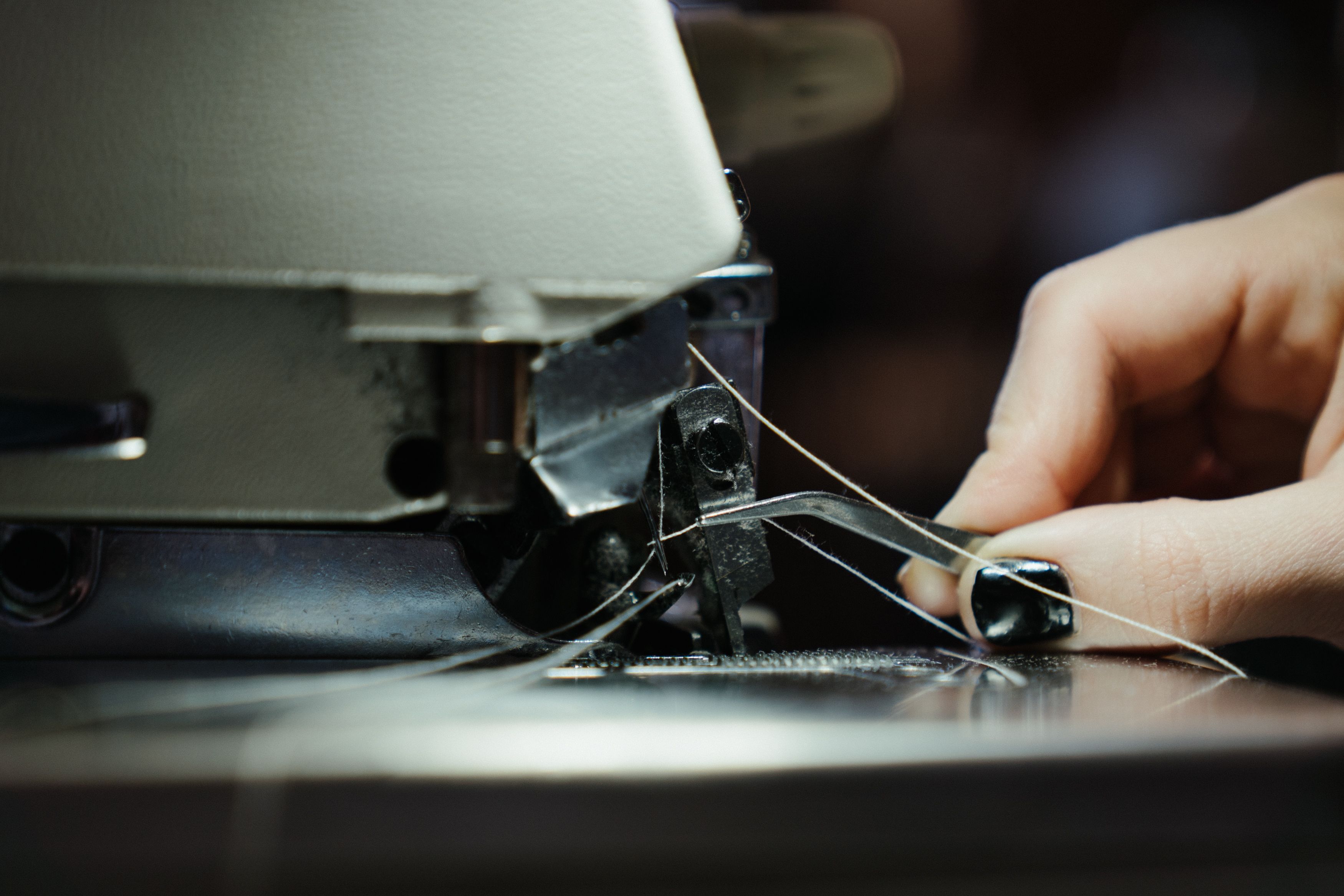
An embroidery machine stitches names, logos and decorative patterns directly onto fabric using thread.
It is particularly useful for personalized towels, clothing, baby blankets, uniforms and decorative patches.
Compared with printed decorations, embroidery creates a raised, textured finish. It can also be suitable for products that need frequent washing, provided the thread, fabric and stitching are appropriate.
Machine embroidery requires digital designs prepared in a compatible stitch format. The fabric must also be secured properly to prevent movement during stitching.
When comparing machines, consider the maximum embroidery area, supported hoop sizes and available stitch editing features.
A compact embroidery machine may handle small names and logos comfortably but struggle with large designs.
7. Inkjet Printer for Custom Stationery and Printed Stickers
A suitable inkjet printer can produce greeting cards, invitations, decorative labels, art prints and personalized stationery.
It uses liquid ink to reproduce text and images on compatible paper or printable materials. Some models support thicker specialty papers, although the exact specifications vary.
For custom stickers, print the artwork onto suitable adhesive sheets. A cutting machine can then trim individual sticker shapes.
Paper quality, ink compatibility and print settings influence the finished appearance. Specialty materials can also increase the cost of each product.
Unlike laser engraving or CNC carving, ordinary inkjet printing does not create texture or cut material.
8. Desktop CNC Router for Wooden Signs and Carved Products
A CNC router uses a rotating cutting tool to shape materials according to a digital design.
It can carve decorative wooden signs, recessed lettering, shaped panels and custom wooden components.
Unlike laser engraving, which marks or removes material using light, a router physically cuts into the surface. It can produce deeper grooves and three-dimensional contours.
However, operating a CNC router involves learning cutting depths, tool selection, feed rates and workpiece positioning.
Routers also generate noise, dust and debris. Secure mounting, guards and suitable dust extraction are important, particularly in a home workshop.
Which Machine Should You Buy for Your Home Workshop?
The best choice depends on the products you plan to make regularly. Consider the main differences before spending money.
| Machine | Main Advantage | Main Limitation |
|---|---|---|
| Laser engraver | Detailed personalization on compatible materials | Material restrictions and ventilation requirements |
| Vinyl cutter | Simple decorative shapes and lettering | Cannot print full-color images independently |
| Heat press | Applies designs to clothing and accessories | Requires prepared transfers |
| Sublimation printer | Detailed full-color designs | Requires compatible products and heat equipment |
| 3D printer | Creates original physical objects | Printing can be slow |
| Embroidery machine | Creates stitched textile designs | Requires preparation and fabric stabilization |
| Inkjet printer | Accessible paper and sticker printing | Limited to compatible printable materials |
| CNC router | Detailed carving and shaping | Dust, noise and more demanding setup |
Also consider the total cost of ownership. Materials, replacement parts, maintenance and failed production attempts all affect the final expense.
For a small home business, producing a few sample products before investing in more equipment can help identify which methods are worth pursuing.
Start With Products You Know You Can Make
A home workshop does not need eight different machines. Someone interested in personalized wooden gifts may find a suitable laser engraver sufficient for many projects. A person creating custom clothing may benefit more from a heat press and a cutting machine.
Choose equipment based on the materials, products and production volume you expect to handle. Learn its capabilities, calculate the cost of each finished item and test the results before expanding.
A smaller setup that consistently produces useful, attractive products is a better investment than a room full of machines with no clear purpose.


